Blog Post

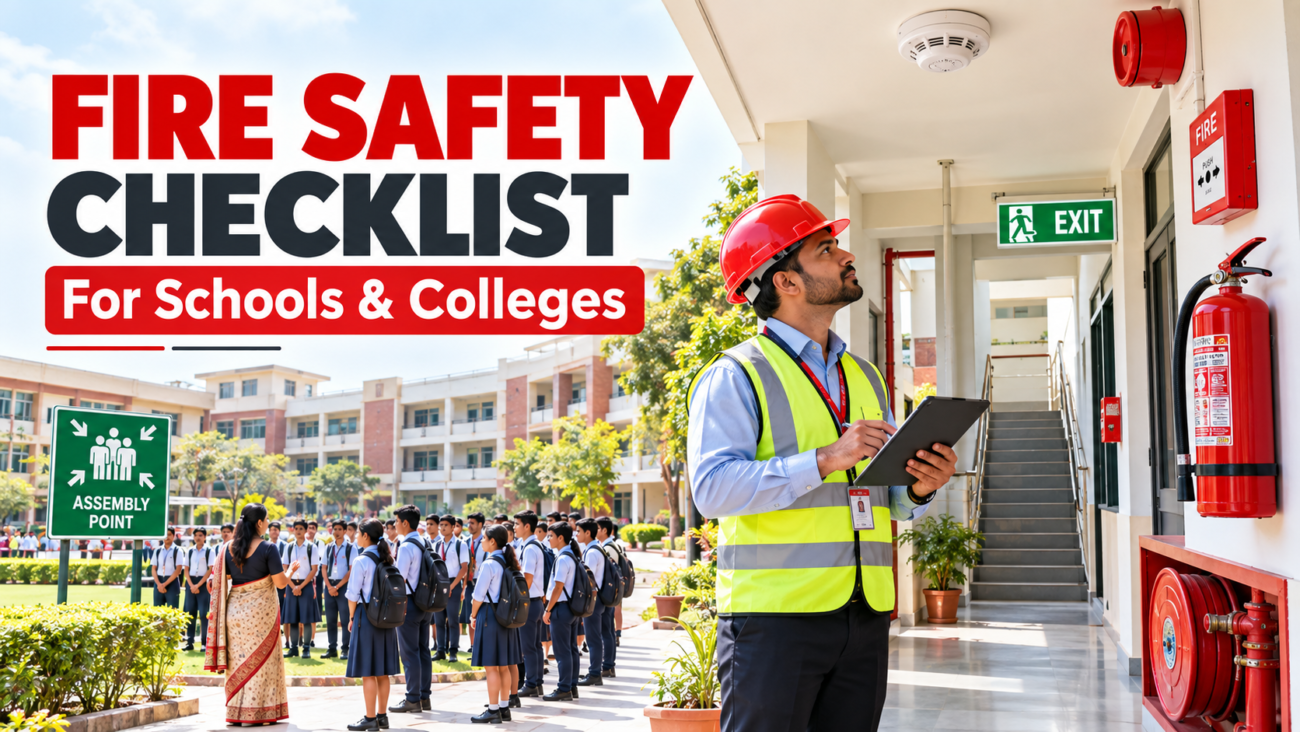
Fire Safety Checklist for Schools & Colleges

Fire Safety Checklist for Schools and Colleges, fire safety tips
Fire Safety Checklist for Schools & Colleges to improve fire preparedness and emergency safety.

Fire Safety Checklist for Schools & Colleges is essential for protecting students, teachers, staff, and visitors from fire-related emergencies. Educational institutions must maintain proper fire safety equipment, emergency exits, alarm systems, and evacuation plans to improve preparedness. Securrise Solution Private Limited helps educational institutions access fire safety products and services to support a safer learning environment.

Why Is a Fire Safety Checklist for Schools & Colleges Important?

Schools and colleges accommodate large numbers of students and staff every day. Electrical faults, laboratory chemicals, kitchen equipment, and overloaded power connections can increase fire risks. A proper checklist helps school management identify potential hazards, inspect safety equipment, and prepare everyone to respond effectively during an emergency.

Fire Safety Checklist for Schools & Colleges

Use the following checklist to review essential fire safety arrangements in your educational institution.

1. Inspect Fire Extinguishers

  • Install suitable fire extinguishers at accessible and clearly marked locations.
  • Check pressure gauges, safety pins, seals, and physical condition.
  • Ensure extinguishers are inspected and serviced according to applicable requirements.
  • Arrange refilling when required and maintain service records.
  • Train designated staff members in the safe use of fire extinguishers.

2. Check Emergency Exits and Escape Routes

  • Keep corridors, staircases, and emergency exits free from obstructions.
  • Ensure exit doors can be opened easily during an emergency.
  • Display clear emergency exit signs.
  • Provide emergency lighting where required.
  • Display evacuation maps at appropriate locations.

3. Inspect Fire Alarm and Detection Systems

  • Test fire alarm systems according to the manufacturer’s instructions and applicable requirements.
  • Inspect smoke detectors, manual call points, and hooters.
  • Check that alarms can be heard throughout relevant areas.
  • Arrange professional maintenance of faulty equipment.
  • Keep inspection and testing records updated.

4. Review Electrical Safety

  • Inspect electrical wiring, switchboards, plugs, and sockets.
  • Avoid overloaded electrical circuits and extension boards.
  • Repair damaged cables through qualified electricians.
  • Keep combustible materials away from electrical panels.
  • Ensure electrical installations receive appropriate inspection and maintenance

5. Maintain Laboratories and School Kitchens

  • Store laboratory chemicals safely and according to their safety instructions.
  • Keep suitable firefighting equipment near identified risk areas.
  • Ensure gas connections and kitchen appliances are checked regularly.
  • Keep flammable materials away from heat sources.
  • Train responsible staff in emergency shutdown procedures.

6. Conduct Fire Drills and Staff Training

  • Conduct evacuation drills at planned intervals.
  • Assign staff members to guide students towards safe assembly points.
  • Teach students how to respond when the fire alarm sounds.
  • Explain evacuation procedures for young children and people with disabilities.
  • Record drill observations and improve procedures where necessary.

7. Verify Fire Safety Compliance

  • Review applicable fire safety rules and building requirements.
  • Check whether the required Fire NOC or other approvals are valid.
  • Maintain equipment inspection reports, service records, and training documentation.
  • Arrange a professional fire safety audit when appropriate.
  • Address identified safety gaps promptly.

How Often Should Schools and Colleges Check Fire Safety Equipment?

Visual checks should be conducted regularly, while formal inspections, testing, servicing, and refilling must follow applicable regulations and manufacturer recommendations. Fire drills should also be scheduled according to relevant requirements and the institution’s emergency plan. Maintain a written checklist with inspection dates, observations, corrective actions, and the responsible person’s name.

Get Fire Safety Products and Services for Your Institution

A well-maintained fire safety system can help educational institutions improve emergency preparedness and protect lives. Securrise Solution Private Limited provides fire safety products and services, including fire extinguisher supply and refilling, fire safety equipment maintenance, Fire NOC consultation, and fire safety audit support.

Contact Securrise Solution Private Limited to discuss your school’s or college’s fire safety requirements and identify the services suitable for your premises.

Stay prepared. Keep your campus safer with proper fire safety planning and regular inspections.

Leave a Reply

Your email address will not be published. Required fields are marked *