Blog Post

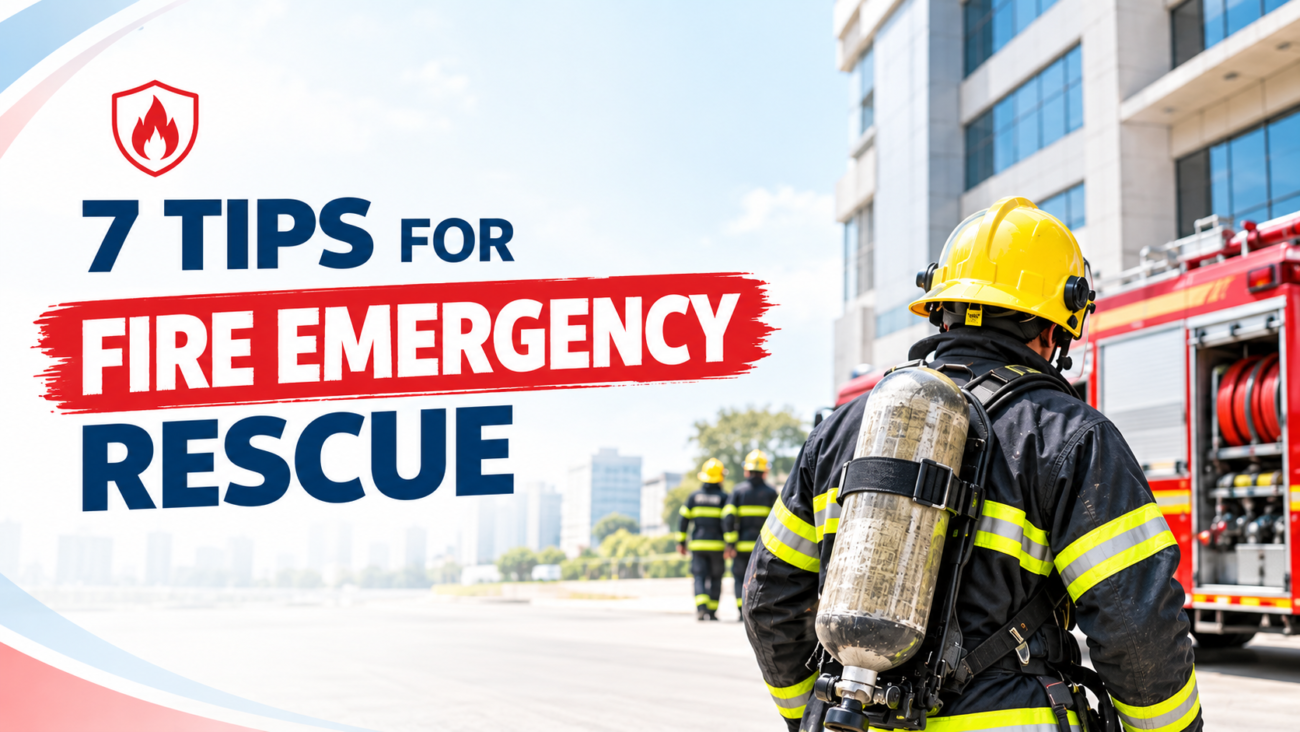
7 Tips for Fire Emergency Rescue : Essential Safety Steps by Securrise solution

7 tips for fire emergency rescue and fire safety awareness
7 Tips for Fire Emergency Rescue by Securrise solution by A fire emergency can happen without warning, whether in a residential building, office, factory, hospital, hotel, school, or commercial property. During a fire, panic and confusion can make the situation even more dangerous. Knowing the correct fire emergency rescue procedures can help protect lives and reduce the risk of serious injury.
Every building should have proper fire safety equipment, emergency exits, evacuation plans, and trained personnel. Here are 7 important tips for fire emergency rescue that everyone should know.

7 Tips for Fire Emergency Rescue

1. Stay Calm and Raise the Alarm

he first and most important step during a fire is to stay calm. Do not panic or run without knowing where to go.

Immediately activate the fire alarm and alert people nearby. Inform the building’s emergency response team or security staff and contact the local fire emergency service. A quick alarm can give occupants valuable time to evacuate safely.

2. Evacuate Through the Nearest Safe Exit

When a fire occurs, leave the building as quickly and safely as possible. Use the nearest safe emergency exit and follow the designated evacuation route.

Never use a lift or elevator during a fire unless specifically authorized by emergency personnel. Use staircases and follow emergency exit signs.

Do not stop to collect personal belongings. Your safety should always be the priority.

3. Stay Low if There Is Smoke

Smoke can be extremely dangerous and may reduce visibility within seconds. If smoke is present, stay as low to the floor as possible because cleaner air may be available closer to the ground.

Cover your nose and mouth with a cloth if possible and move carefully toward the nearest safe exit.

If your normal exit route is blocked by smoke or flames, do not attempt to pass through it. Find an alternative safe evacuation route.

4. Never Re-Enter a Burning Building

Once you have safely evacuated, never go back inside a burning building to collect belongings or rescue someone unless you are a trained emergency responder.

Fire conditions can change rapidly, and smoke, heat, structural damage, and flames can make re-entry extremely dangerous.

Inform firefighters or emergency personnel if you know someone may still be inside. Trained rescue teams have the appropriate equipment and procedures to conduct a search safely.

5. Help Children, Elderly People and Persons with Disabilities

During an emergency evacuation, some people may require additional assistance. Assign trained staff or emergency wardens to help children, elderly persons, and people with disabilities reach a safe location.

Businesses and institutions should identify vulnerable occupants in advance and include their requirements in the emergency evacuation plan.

6. Use Fire Extinguishers Only If It Is Safe

A portable fire extinguisher can help control a small fire when used correctly. However, attempting to fight a fire is appropriate only when the fire is small, the correct extinguisher is available, and a safe escape route remains behind you.

If the fire is spreading rapidly or producing heavy smoke, evacuate immediately and leave firefighting to trained professionals.

Regular inspection, maintenance, and training are essential to ensure fire extinguishers are ready when needed.

7. Move to the Designated Assembly Point

After evacuation, proceed directly to the building’s designated emergency assembly point. Do not leave the area or return to the building without permission from emergency personnel.

Building management should conduct a headcount to identify anyone who may be missing. Provide firefighters with accurate information about the building, possible trapped occupants, hazardous materials, and fire locations.

Conclusion

Effective fire emergency rescue starts with prevention, preparation, and quick action. A well-designed fire safety system, clearly marked emergency exits, regular fire drills, properly maintained firefighting equipment, and trained emergency personnel can significantly improve safety during a fire.

Remember: raise the alarm, evacuate safely, stay low in smoke, never re-enter, assist those who need help, and follow instructions from trained emergency responders.

Fire safety is everyone’s responsibility. Being prepared before an emergency occurs can make the difference between confusion and a safe evacuation.

Leave a Reply

Your email address will not be published. Required fields are marked *